This article was inspired by a question from K Sanchez who writes: “What is the the difference between spar varnish and regular varnish?”
What is Varnish?
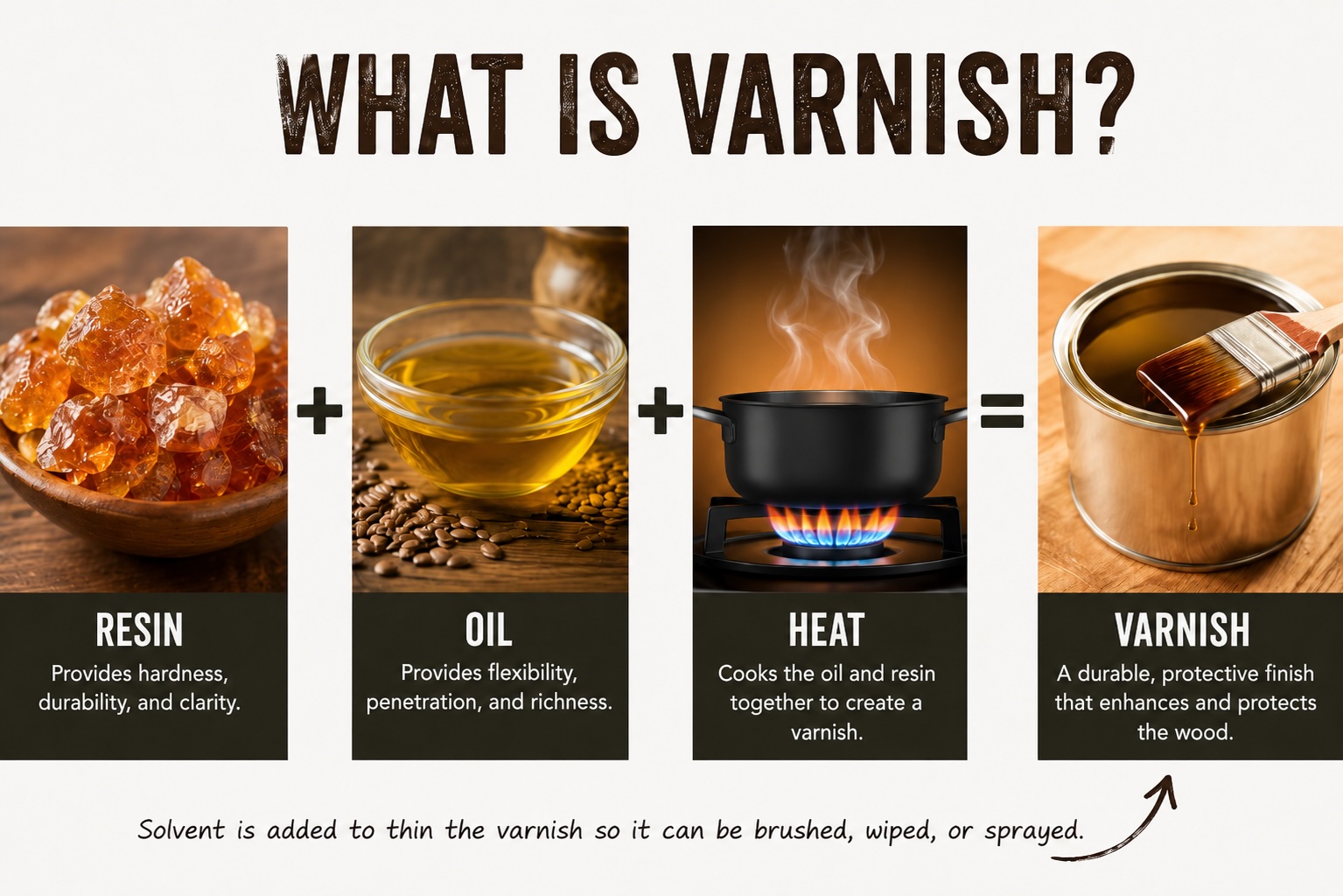
In the simplest terms, Varnish is basically what you get when you mix a drying oil with resin and apply heat. The resulting material is a quick-drying, hard-wearing film-forming product. The stuff you buy in the store is usually thinned to some extent with something like mineral spirits so that it’s easier to apply to wood. By varying the type and proportion of oil, resin, and solvent, manufacturers can make all kinds of different varnishes that suit specific purposes and price points.
Why We Need Outdoor Formulations
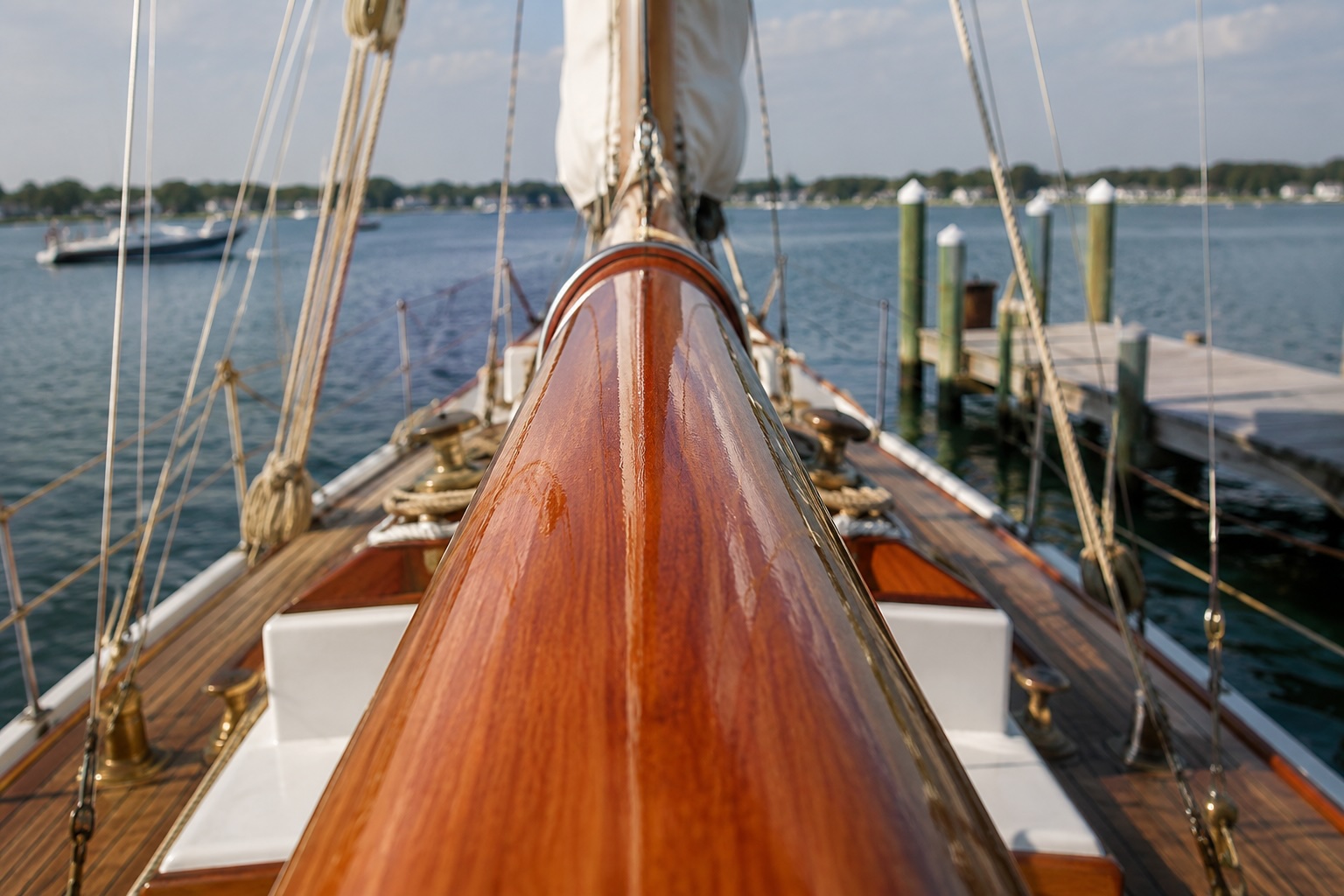
Any wood stored outside is going to be exposed to a wide range of temperatures and weather, as well as a good dose of damaging UV rays. These elements serve to break down finishes over time. Also, changes in humidity cause the wood to expand and contract, and a standard indoor finish would simply crack and deteriorate under these conditions. Spar varnishes are typically designed to not only protect the wood, but also give it the flexibility and UV protection it needs to last for years. And the name “spar varnish” comes from the boating world, where the long wooden poles that support the sails are known as spars. So a spar varnish needs to be a finish that can withstand the rigorous conditions of seafaring life.
The Ingredients
I mentioned earlier that varnish manufacturers can change the type and amount of oil and resin to get different properties from the finished product. Fortunately, there are only so many ingredients commonly used, so knowing a few basics can help us make an educated guess about how a varnish will behave without relying entirely on the marketing on the can.
Some common ingredients include:
- Oils: Linseed, tung, or soybean oil
- Resins: Alkyd, phenolic, or polyurethane/urethane-modified resins
- Solvents: Mineral spirits, naphtha, or turpentine
The type of ingredients matters, but so does the ratio. More oil generally makes a varnish softer and more flexible, while more resin generally makes it harder and more protective. Manufacturers also use driers, UV inhibitors, flattening agents, and other additives to fine-tune the final product.
Oil to Resin Ratio
When a varnish is made, the ratio of oil to resin can have a dramatic effect on the way the varnish will behave. For instance, using a small amount of oil and a large amount of resin will produce a very hard but somewhat brittle finish. Obviously, this is not suitable for outdoor applications since we need an outdoor finish to be flexible. So what makes more sense is to create what is known as a “long-oil varnish”, that is, a formulation that contains a greater percentage of oil. The extra oil results in a softer, more flexible finish that will not crack when the wood expands and contracts.
Oil Types
The most common oil used to make varnish is linseed oil. Its lower cost makes it the most practical choice for both indoor and outdoor formulations. But many believe that tung oil is actually better for outdoor use. After all, a higher quality oil should equate to a higher quality varnish, and thus a higher price tag. As a result, many of the high-end marine varnishes will be made with tung oil instead of linseed oil.
Resin Types
Phenolic-modified resins have traditionally been a popular choice for high-quality exterior and marine varnishes because they offer excellent water and weather resistance. But that doesn’t mean every good spar varnish contains phenolic resin. You’ll also find plenty of outdoor formulas based on alkyd and urethane-modified alkyd resins.
A popular finish like Helmsman Spar Urethane uses a urethane-modified alkyd resin, along with oils that help the finish expand and contract and UV absorbers that help protect against sunlight.
Epifanes Clear Varnish, a traditional marine varnish, uses tung oil, phenolic-modified alkyd resins, and UV absorbers.
So don’t judge an outdoor varnish by the words “spar” or “marine” on the front of the can. Look at the manufacturer’s technical information and pay attention to the resin, oil, flexibility, and UV protection.
Sun Block For Wood
Most quality spar and marine varnishes contain UV absorbers and other light stabilizers designed to help the finish survive prolonged sun exposure. UV radiation can damage both the wood and the finish itself, causing color change, loss of gloss, cracking, and eventually finish failure.
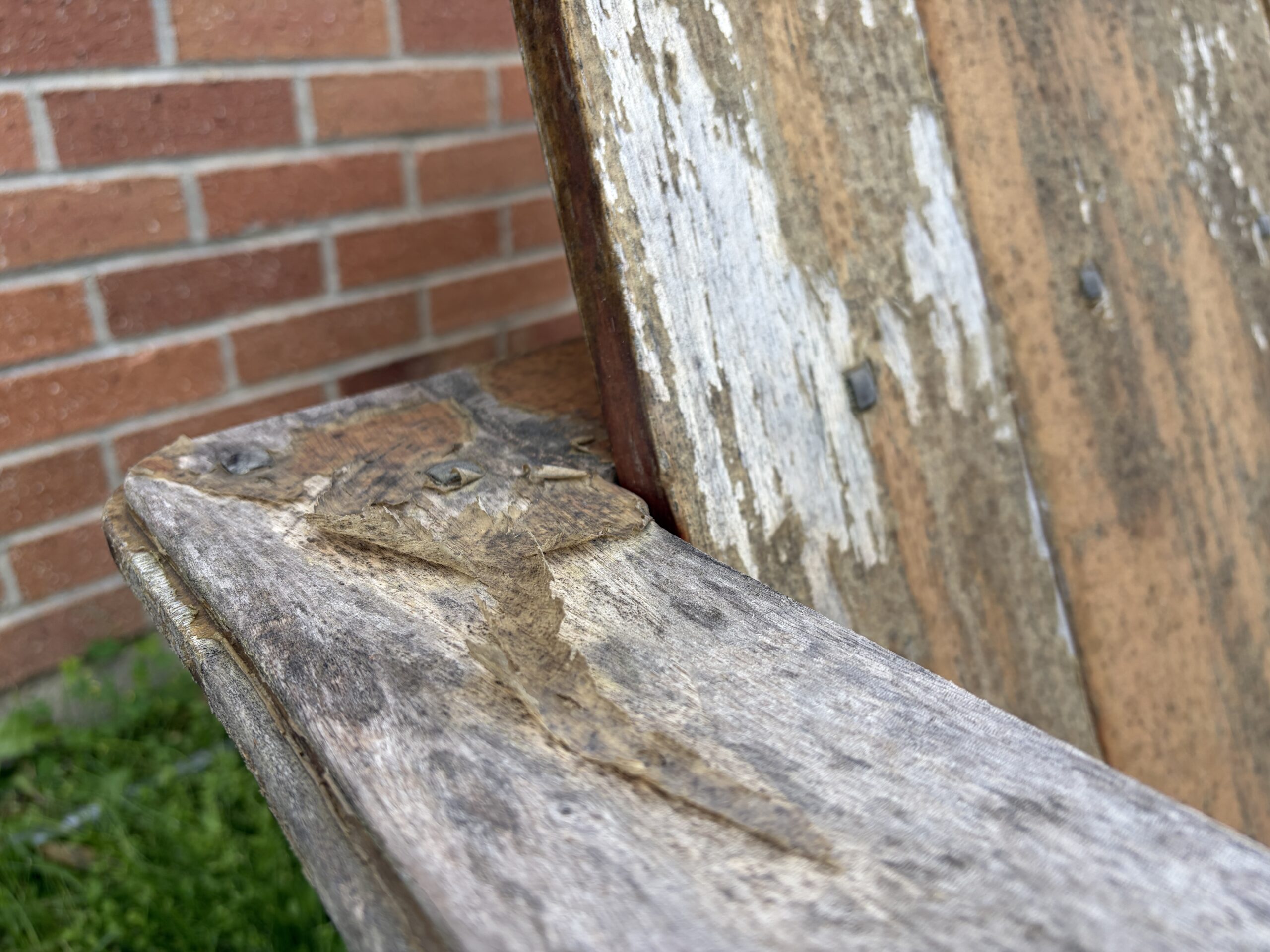
So for outdoor projects, look for a finish specifically formulated for exterior use with UV protection. Just remember that UV additives aren’t magic. Film thickness matters, and even a good marine varnish will eventually need maintenance when exposed to the sun and weather. If neglected, the film will eventually fail and the finish will crack and peel. Ask me how I know.
Hopefully this helps elucidate the difference between spar varnish and regular varnish. Generally-speaking, my preferred outdoor varnish would be a long-oil varnish made with tung oil and at least some phenolic resins and UV inhibitors. And most times the brand I reach for is Epifanes.
Helpful Links